Epoxy coatings
Strong adhesion and a wide range of decorative options make epoxy common for garages, shops, and interior slabs.
Concrete coatings can protect slabs, improve appearance, reduce dusting, and make floors easier to clean. The right system depends on whether the slab is indoors or outdoors, how much traffic it sees, and whether cracks, moisture, or previous coatings are present.
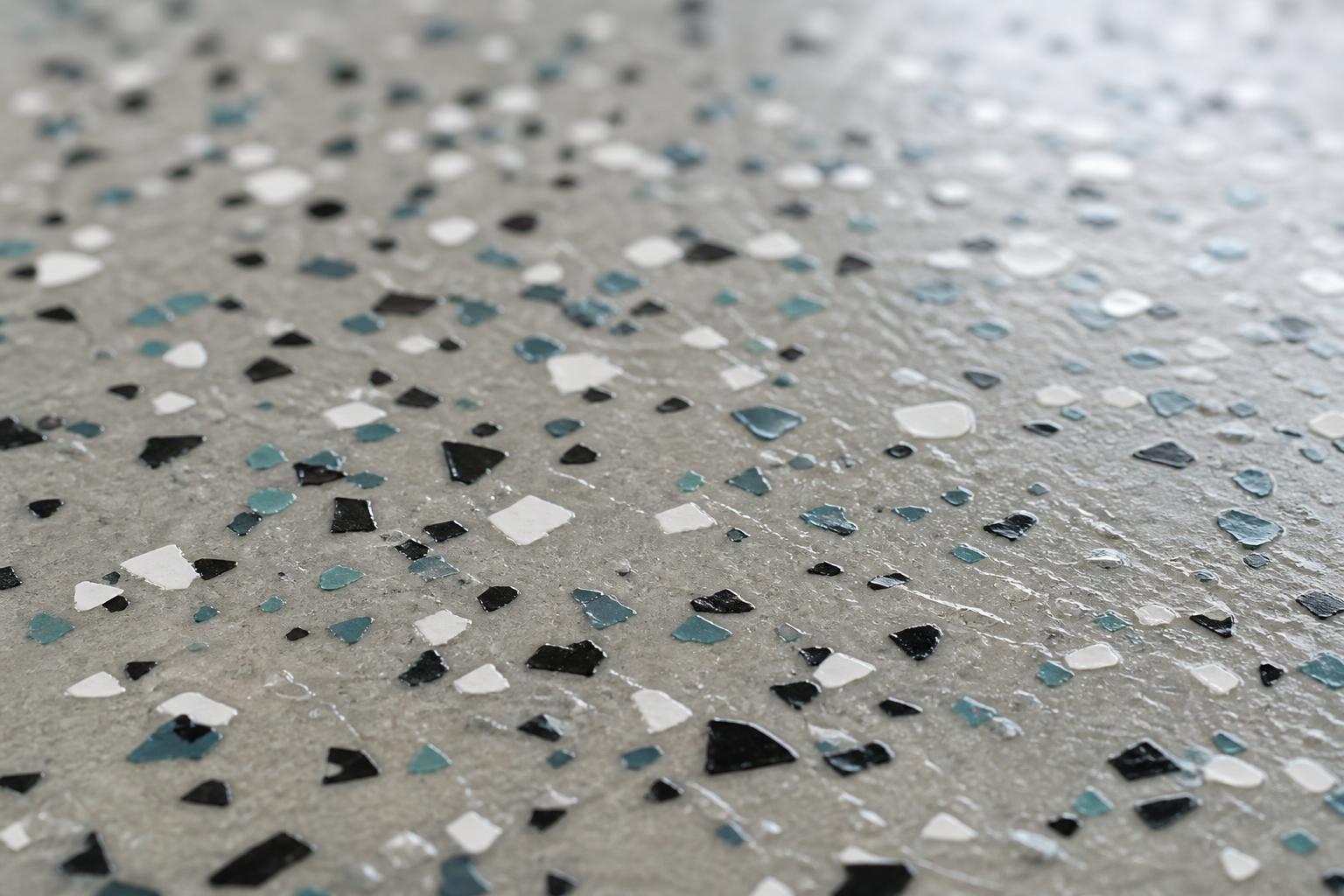
Strong adhesion and a wide range of decorative options make epoxy common for garages, shops, and interior slabs.
Fast-curing systems can be useful when downtime is limited or sunlight exposure is a concern.
Some slabs need breathable sealers, overlays, or repair-first strategies rather than a decorative epoxy system.
For a useful local concrete coating estimate, share slab photos, approximate square footage, indoor or outdoor exposure, current paint or sealer, cracks, pitting, moisture concerns, and how quickly the space must return to use.
The best coating system changes by use case. Garages need hot-tire and cleanability planning, basements need moisture review, patios need exterior exposure planning, and shops may need texture or chemical resistance.
Epoxy, polyaspartic, polyurea, sealers, resurfacing, and repair-first approaches solve different problems. A good Huntsville estimate should explain why one system fits your slab and budget.
Basement slabs in North Alabama should be checked for moisture, vapor pressure, drainage issues, and previous sealers before any decorative epoxy floor coating is selected.
Workshops, utility rooms, hobby spaces, and finished basement areas may need different texture, gloss, and chemical-resistance choices.
Cracks, pitting, spalling, or moving joints should be addressed before coating so the finished floor is easier to maintain and less likely to fail early.
A basement epoxy floor coating estimate should start with photos, moisture observations, and how the space will be used after the coating cures.
Damage may be repairable, but it should be priced and prepared before coating.
Moisture can cause coating failures, so installers may recommend testing or mitigation.
Patios and exterior concrete need systems designed for UV, water, and texture.
Before requesting estimates, take photos in daylight and note whether the slab is bare concrete, painted, sealed, or previously coated.
Garages, workshops, patios, basements, utility rooms, shops, and some commercial slabs can be candidates. The surface must be assessed for moisture, cracks, previous coatings, and outdoor exposure before choosing a system.
Epoxy is often selected for adhesion and build, polyaspartic or polyurea systems are often selected for faster return to service and UV stability, and sealers may be better for some exterior or breathable concrete needs.
Minor cracks and surface defects can often be repaired before coating, but severe movement, structural issues, active moisture, or failing concrete may need repair-first recommendations before a decorative coating makes sense.
Yes. Outdoor slabs may need stronger UV stability, water management, slip-resistant texture, and products designed for exterior exposure. A garage system is not automatically the right choice for patios or exposed concrete.
Epoxy or other concrete coatings can work for some Huntsville basement floors when the slab is dry, sound, and properly prepared. Moisture, vapor pressure, cracks, drainage, and previous sealers must be checked before choosing a coating system.
Send photos of the slab, approximate square footage, whether the concrete is indoors or outdoors, any cracks or pitting, signs of moisture, existing paint or sealer, and how the space will be used. Those details help narrow epoxy, polyaspartic, sealer, or repair-first recommendations.
Tell us about your garage, shop, patio, or commercial floor and request a free project estimate from Huntsville Epoxy Flooring Pros.
Garage floors, commercial epoxy, flake systems, and protective concrete coatings in the Huntsville area.